Tulsa Innovation Labs Takes Flight
From the largest airline base in the world to a testbed for drone technology, Tulsa, Oklahoma, takes flight.
TULSA, Oklahoma – Long known for its ties to oil and gas, Tulsa, Oklahoma, also has a deep history rooted in engineering, manufacturing, and mobility. These foundations extend naturally into aviation and advanced flight.
With roots dating back to 1946, American Airlines has maintained a presence in Tulsa. Decades of continued investment, including a $550 million expansion in 2020 that established the city as the world’s largest commercial maintenance and engineering base, helped lay the groundwork for a regional aerospace sector that today includes major corporations, MRO facilities, workforce development programs, and advanced testing and manufacturing capabilities.
Building on this legacy and paired with targeted efforts to advance the next generation of flight technologies, including drones and autonomous vehicles, Tulsa now offers one of the most complete ecosystems poised to lead the future of the industry.
At the center of this evolution is Tulsa Innovation Labs, a tech-led economic development organization that has spent the last several years building partnerships and programs across government, academia, local Native tribes, and industry. These coordinated efforts support the conception, testing, development, and manufacturing of advanced aerial mobility technologies and are exemplified by initiatives such as Skyway Range.
“Tulsa is poised to win the future of flight. We’ve been working to create a unique environment that can deliver high-quality, cyber-secure technology at scale. Strengthened by its legacy aerospace industry and assets that no other region can offer, Tulsa has emerged as a national center and one-stop shop for manufacturing and innovation of autonomous systems of the future,” said Jennifer Hankins, managing director of Tulsa Innovation Labs.
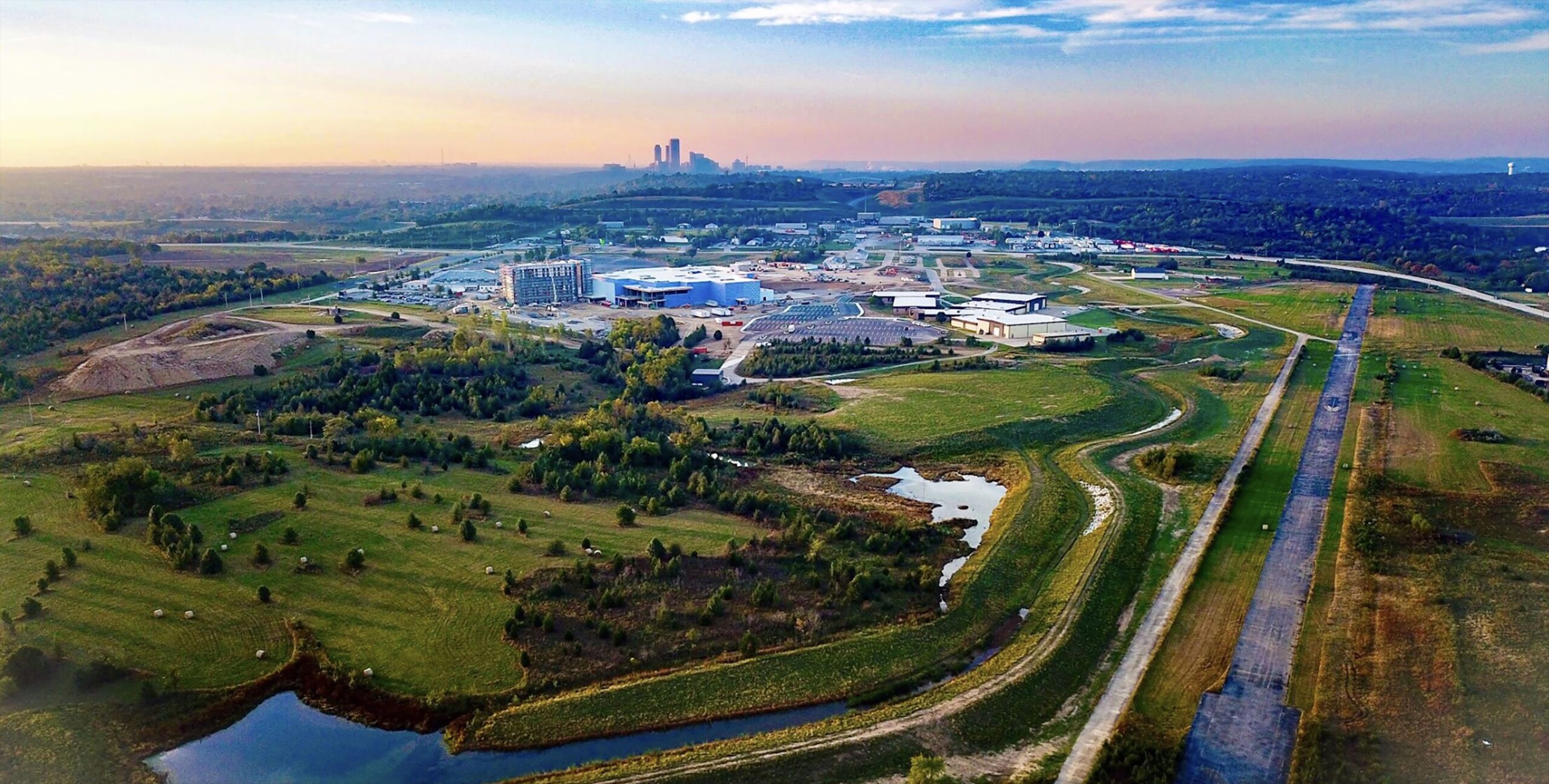
An example of Tulsa’s unique strengths is Skyway Range, a 1,200-square-mile BVLOS corridor and testing facility that offers a one-of-a-kind testing environment for autonomous flight. Spanning urban and rural airways, this facility helps companies prove safety, security and performance, a key to navigating new and evolving regulations and advancing drone innovation.
Skyway Range’s first tenant, WindShape, is a Swiss-based company bringing cutting-edge indoor UAS testing and validation to the facility. WindShape’s technology creates an indoor, free-flight laboratory, simulating natural wind and weather conditions for precise and reliable test results for drone technology. Companies can simulate freezing cold temperatures, driving rain or hazardous wind conditions, all in an indoor lab.
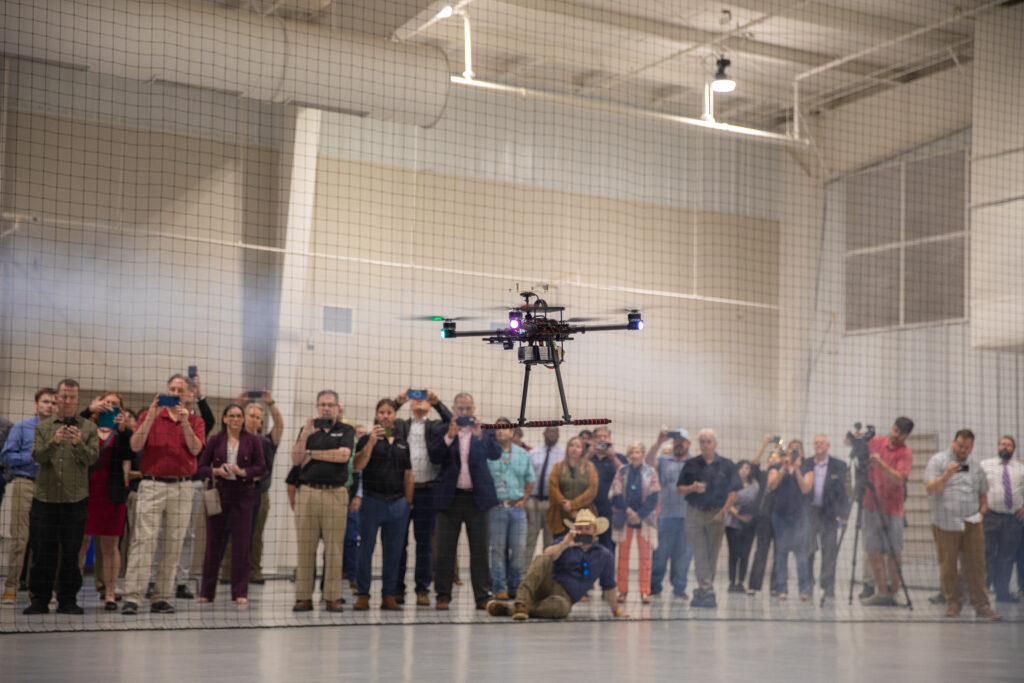
With new government requirements to create drone formations and training environments, there will be heightened demand for real-world test ranges like Skyway Range.
Recent federal initiatives to expand domestic drone production and strengthen U.S. supply chains further underscore the importance of regions where the infrastructure, expertise, and partnerships are already in place to support rapid scale. Tulsa’s progress across each of these critical categories has helped it emerge as the epicenter of this technological revolution.
The Tulsa region recently achieved a milestone of completing its first Green UAS certification. The University of Tulsa’s (TU) Oklahoma Cyber Innovation Institute (OCII) granted the certification to Wingtra, a global leader in drone manufacturing.
With hardware testing support from Oklahoma State University (OSU) and vetting through the Association for Uncrewed Vehicle Systems International (AUVSI) cybersecurity protocol, the certification follows national standards recognized by the Defense Innovation Unit (DIU). Certified drones are eligible for purchase by the Department of Defense and other federal agencies, in addition to myriad commercial applications.
Ongoing validation work at TU and OSU provides the rigorous testing and data-driven insights necessary to ensure drone safety and reliability.
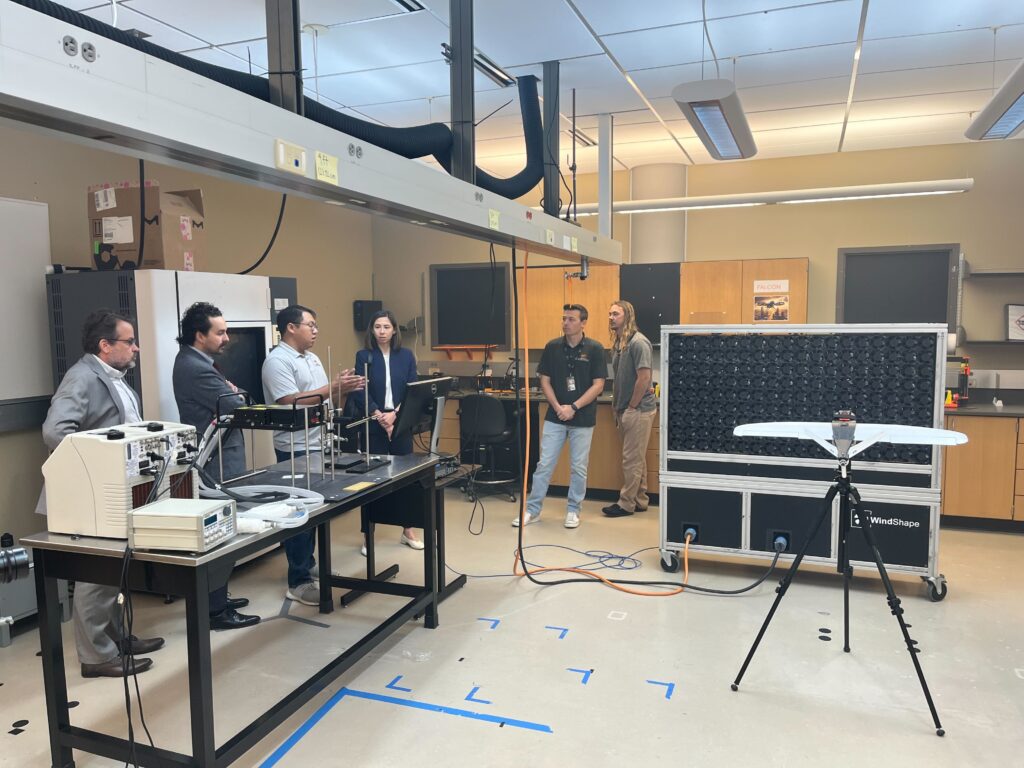
Together, these strategic efforts have made Tulsa a leading hub where advanced mobility technologies are developed and scaled for real-world use. By aligning certification, research, testing, and talent development, Tulsa Innovation Labs and its partners are shaping an ecosystem that leverages Tulsa’s historic strengths in aerospace to drive the industry forward.