The HMI: Where Capability Becomes Mission Effectiveness and Real Force Multiplier
Regional Lead EMEA | HMI & Embedded Graphics | Up-to DO-178C DAL-A Certification & ARINC 661 | Simulation solutions I PACE Aerospace & IT
Reflecting on conversations I had at the Royal Aeronautical Society, and at the recent Aerospace Innovations Avionics & Testing Innovations event, one theme came through very clearly: next generation military aircraft are becoming increasingly complex, operating not simply as standalone platforms, but as integral parts of an extraordinary system of systems.
Huge investment rightly goes into electronic warfare capability, propulsion, flight controls, mission computers, sensors, communications, and weapons integration. Each of these domains continues to advance at incredible pace, delivering more capability, more data, and more operational potential than ever before.
But there is one critical point where all of that capability becomes usable or unusable:
𝐓𝐡𝐞 𝐇𝐮𝐦𝐚𝐧-𝐌𝐚𝐜𝐡𝐢𝐧𝐞 𝐈𝐧𝐭𝐞𝐫𝐟𝐚𝐜𝐞.
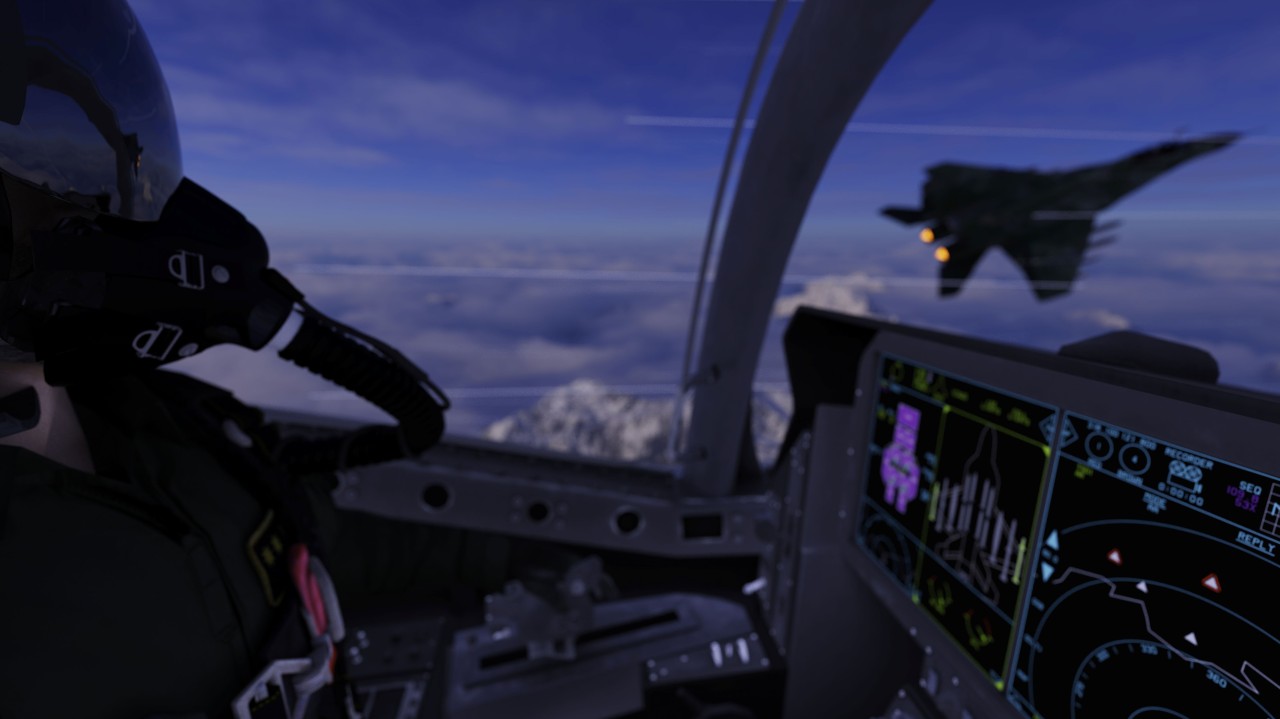
For the pilot, the HMI is not just a display. It is the primary contact point with the aircraft and its mission systems. It is where information is transformed into understanding, where complexity must become clarity, and where literal milliseconds can shape decisions.
𝐈𝐟 𝐭𝐡𝐞 𝐇𝐌𝐈 𝐢𝐬 𝐩𝐨𝐨𝐫𝐥𝐲 𝐝𝐞𝐬𝐢𝐠𝐧𝐞𝐝, 𝐞𝐯𝐞𝐧 𝐭𝐡𝐞 𝐦𝐨𝐬𝐭 𝐚𝐝𝐯𝐚𝐧𝐜𝐞𝐝 𝐬𝐲𝐬𝐭𝐞𝐦𝐬 𝐜𝐚𝐧 𝐛𝐞𝐜𝐨𝐦𝐞 𝐝𝐢𝐟𝐟𝐢𝐜𝐮𝐥𝐭 𝐭𝐨 𝐞𝐱𝐩𝐥𝐨𝐢𝐭 𝐞𝐟𝐟𝐞𝐜𝐭𝐢𝐯𝐞𝐥𝐲. Cognitive workload increases. Situational awareness suffers. Critical information can be missed, misunderstood, or presented too late. In those conditions, neither the pilot nor the aircraft can operate at maximum efficiency.
Conversely, 𝐰𝐡𝐞𝐧 𝐇𝐌𝐈 𝐢𝐬 𝐝𝐞𝐬𝐢𝐠𝐧𝐞𝐝 𝐜𝐨𝐫𝐫𝐞𝐜𝐭𝐥𝐲, 𝐢𝐭 𝐛𝐞𝐜𝐨𝐦𝐞𝐬 𝐚 𝐟𝐨𝐫𝐜𝐞 𝐦𝐮𝐥𝐭𝐢𝐩𝐥𝐢𝐞𝐫.
It allows the pilot to interpret, prioritise, and act with confidence. It reduces cognitive burden. It enables faster and better decision-making. Most importantly, it ensures that the full value of the aircraft’s underlying systems can actually be realised in operation.
In aerospace and defence, performance is not only defined by what the platform can do technically. It is defined by how effectively the human operator can command, control, and trust that capability under extreme pressures. – I won’t talk about AI involvement here!
That is why HMI should never be treated as an afterthought.
𝐇𝐌𝐈 𝐢𝐬 𝐧𝐨𝐭 𝐬𝐢𝐦𝐩𝐥𝐲 𝐭𝐡𝐞 𝐟𝐢𝐧𝐚𝐥 𝐥𝐚𝐲𝐞𝐫 𝐩𝐥𝐚𝐜𝐞𝐝 𝐨𝐧 𝐭𝐨𝐩 𝐨𝐟 𝐜𝐨𝐦𝐩𝐥𝐞𝐱 𝐬𝐲𝐬𝐭𝐞𝐦𝐬. 𝐈𝐭 𝐢𝐬 𝐭𝐡𝐞 𝐨𝐩𝐞𝐫𝐚𝐭𝐢𝐨𝐧𝐚𝐥 𝐢𝐧𝐭𝐞𝐫𝐟𝐚𝐜𝐞 𝐭𝐡𝐫𝐨𝐮𝐠𝐡 𝐰𝐡𝐢𝐜𝐡 𝐜𝐚𝐩𝐚𝐛𝐢𝐥𝐢𝐭𝐲 𝐛𝐞𝐜𝐨𝐦𝐞𝐬 𝐦𝐢𝐬𝐬𝐢𝐨𝐧 𝐞𝐟𝐟𝐞𝐜𝐭𝐢𝐯𝐞𝐧𝐞𝐬𝐬.
Investing in advanced aircraft systems is essential. But investing in the quality, usability, and integrity of the pilot interface is what ensures those systems deliver their true potential.
If this resonates with you and what you are working on please get in touch to discuss how the VAPS Product Family at PACE Aerospace & IT part of the TXT GROUP Aerospace & Defence Cluster can support you and colleagues. VAPS XT services & tools work as part of an integrated toolset for the ideating, prototyping, marketing, human factor studies, simulations, and up to DO178C DAL-A certification for your embedded graphics and HMI supporting ARINC 661 Parts 1 & 2, PYRAMID, FACE, OpenGL SC 1.01 & SC2.0, MOSA, and Vulkan.
Please visit: https://vaps.txtgroup.com/contact-us