How air capabilities can anchor Latin America’s next defense investment cycle
By Ricardo Real, CEO of Aerocardal
As Santiago prepares to host FIDAE 2026, Latin America’s premier aerospace and defense exhibition, a question increasingly on the minds of operators, planners, and government officials is this: where should the next cycle of defense investments begin? Across the region, governments are reassessing aging fleets, restarting procurement programs, and exploring new technology partnerships.
Recent cooperation between regional aviation operators such as Aerocardal and international aerospace groups including OMNIPOL reflects a broader industry push toward modern air platforms and electronic systems, but this trend goes well beyond any single partnership.
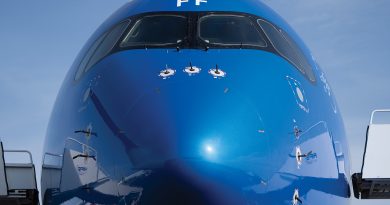
From the perspective of someone working inside the aviation ecosystem, air capabilities, understood as a combination of aircraft, airborne sensors, and integrated systems, appear repeatedly in conversations about future defense priorities. This is not presented as doctrine or a universal answer. It is an observation shaped by operational realities and ongoing regional dialogue.
Regional realities are already shaping airpower priorities
Brazil, Colombia, and Chile illustrate how air capabilities already influence national security planning, even under very different conditions.
Brazil, which maintains the largest military force in Latin America, faces the challenge of monitoring vast airspace over the Amazon basin, long maritime approaches, and critical infrastructure corridors. Colombia’s experience with persistent internal and border security missions highlights how airborne platforms function as daily operational tools rather than occasional strategic assets.
Chile’s geography, stretching from desert to mountainous terrain and long coastline, reinforces the importance of airlift, patrol aircraft, and surveillance coverage to maintain national reach.
Across these environments, the common thread is that air assets extend situational awareness and mobility in ways that ground or maritime forces alone cannot easily replicate.
Aircraft and systems that reflect changing capability needs
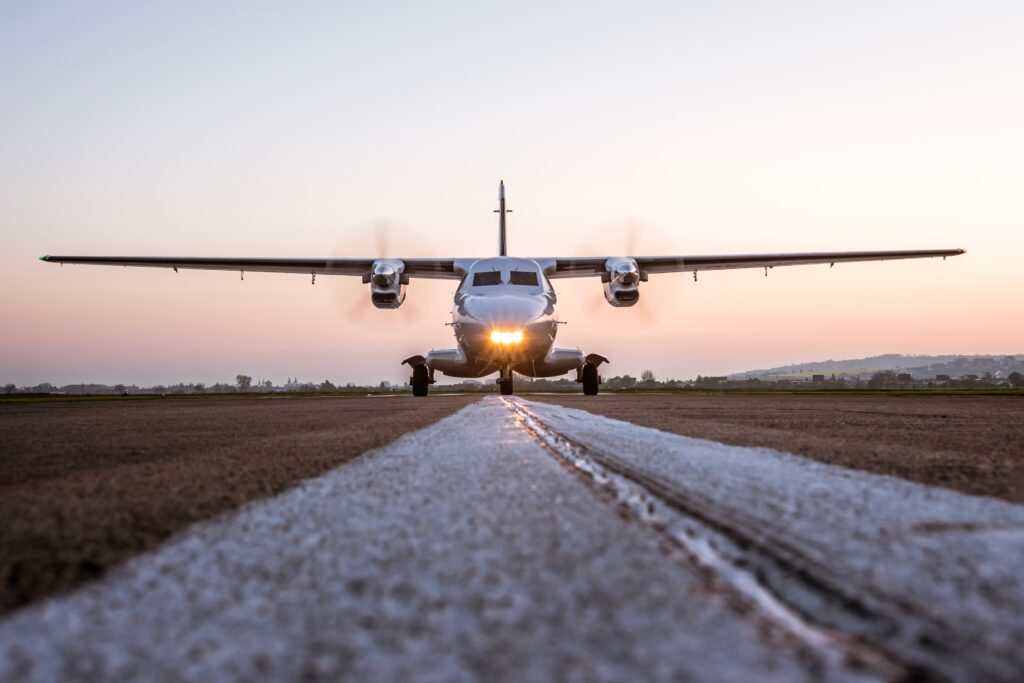
When defense planners talk about air capability today, they increasingly refer to aircraft types designed around flexibility rather than specialization. Platforms such as the L 410 NG represent a category of multi mission turboprop aircraft that can be configured for transport, patrol, surveillance, and logistical support roles. The L 39 Skyfox trainer illustrates another category, focused on preparing pilots for modern digital cockpits and sensor driven operational environments.
These models matter not because of branding or specifications, but because they reflect how air forces are trying to balance operational versatility with budget discipline. Multi role platforms, modern avionics architectures, and adaptable mission configurations allow governments to respond to diverse operational demands without maintaining separate fleets for every mission type.
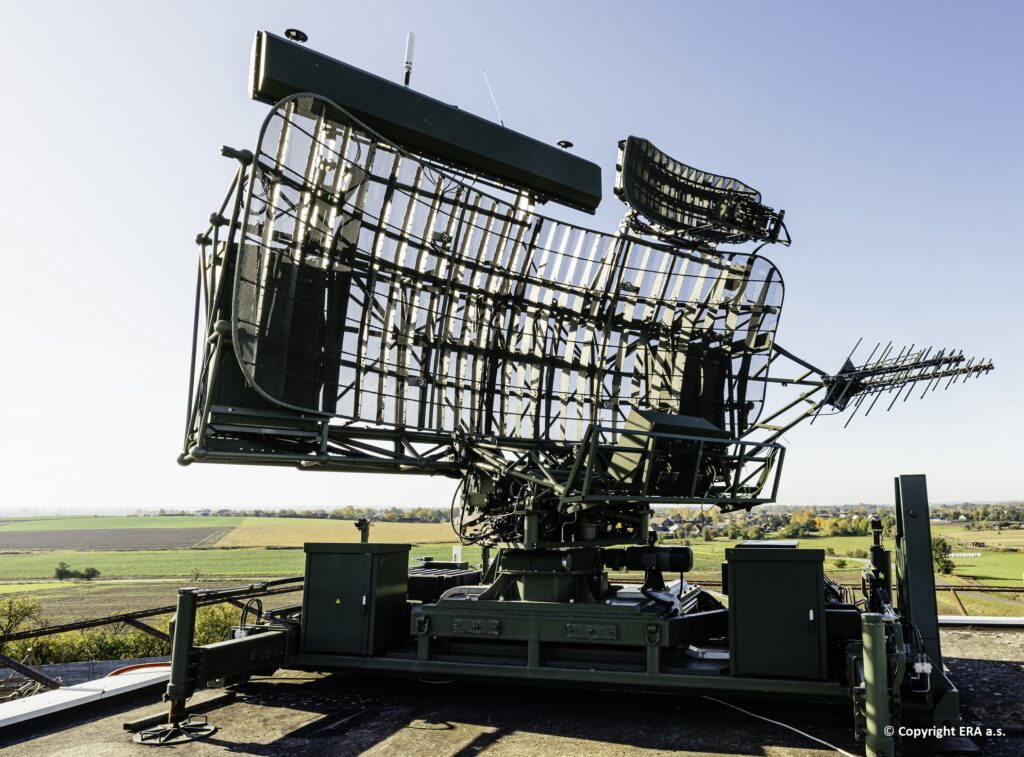
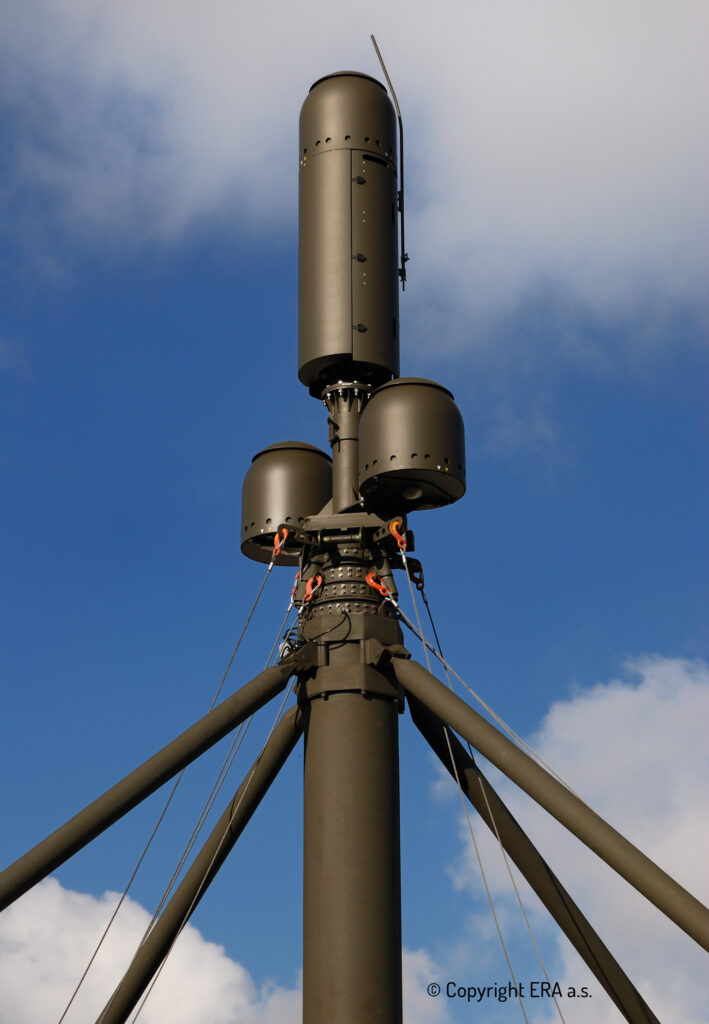
Air capability also extends beyond aircraft. Surveillance and sensing technologies increasingly shape how air operations are conducted. Passive detection systems such as VERA NG, which use time difference of arrival methods to track airborne and surface targets without emitting signals, illustrate how monitoring capabilities are evolving. These systems complement airborne ISR missions by expanding situational awareness while reducing electromagnetic exposure.
Secure communications infrastructure plays a similar role. Radios, onboard mission communication systems, and networked data links allow airborne platforms to function as part of wider operational ecosystems rather than isolated assets.
Integration, training, and fiscal reality
Despite technological progress, integration remains one of the most persistent challenges across the region. Mixed fleets, legacy systems, and varied communication standards create friction that reduces the value of modernization investments. Brazil’s large inventory, Colombia’s operational tempo, and Chile’s geographic dispersion all highlight the operational cost of fragmented systems.
This is why integration and interoperability increasingly appear in defense planning discussions. Aircraft, sensors, and communications infrastructure need to be planned as part of unified operational architecture, not acquired in isolation.
Training capacity adds another layer of complexity. Modern cockpits, sensor fusion interfaces, and networked mission systems require new skill sets. Advanced trainer aircraft and simulation environments are becoming critical tools for preparing crews to operate effectively in this environment. Without adequate training infrastructure, modernization risks remaining theoretical rather than operational.
Fiscal reality continues to shape how these investments unfold. Defense budgets across Latin America operate under political and economic pressure. This encourages phased modernization strategies built around modular avionics upgrades, sensor retrofits, and scalable system improvements rather than abrupt fleet replacement programs. Platforms designed for adaptability allow governments to spread investment over time while maintaining operational relevance.
FIDAE 2026 and strategic networking
FIDAE 2026 arrives at a moment when these discussions are converging. For defense ministries, air force leadership, and procurement authorities, it offers an opportunity to compare modernization approaches, exchange operational lessons, and reassess long term capability priorities.
The most meaningful outcomes will come not from individual platform announcements, but from conversations about integration, sustainment, training capacity, and how air capabilities fit into broader national security strategies.
Air capabilities alone will not solve every challenge facing Latin America. Ground forces, naval assets, cyber and space domains, and intelligence infrastructure all remain essential.
Still, from the perspective of someone working in aviation, it is difficult to ignore how central air platforms, airborne sensors, and integrated communications systems have become in modernization discussions across the region.
Whether air capabilities ultimately anchor the next defense investment cycle will depend on political leadership, budget discipline, and long-term planning choices. What is clear is that the conversation is already underway. FIDAE 2026 offers a timely opportunity to shape where it goes next.
About Aerocardal:
Aerocardal is a leader in air ambulance, charter, MRO, and cargo services in South America. Based in Chile, the company has made a difference by providing outstanding aviation solutions to various industries. Focusing on safety, reliability, and innovation, Aerocardal is constantly pioneering the industry through versatile air transport services that prioritize efficiency.