Hardware Challenges of Distributed Intelligence: Engineering Resilient “Neural Networks” in 2026
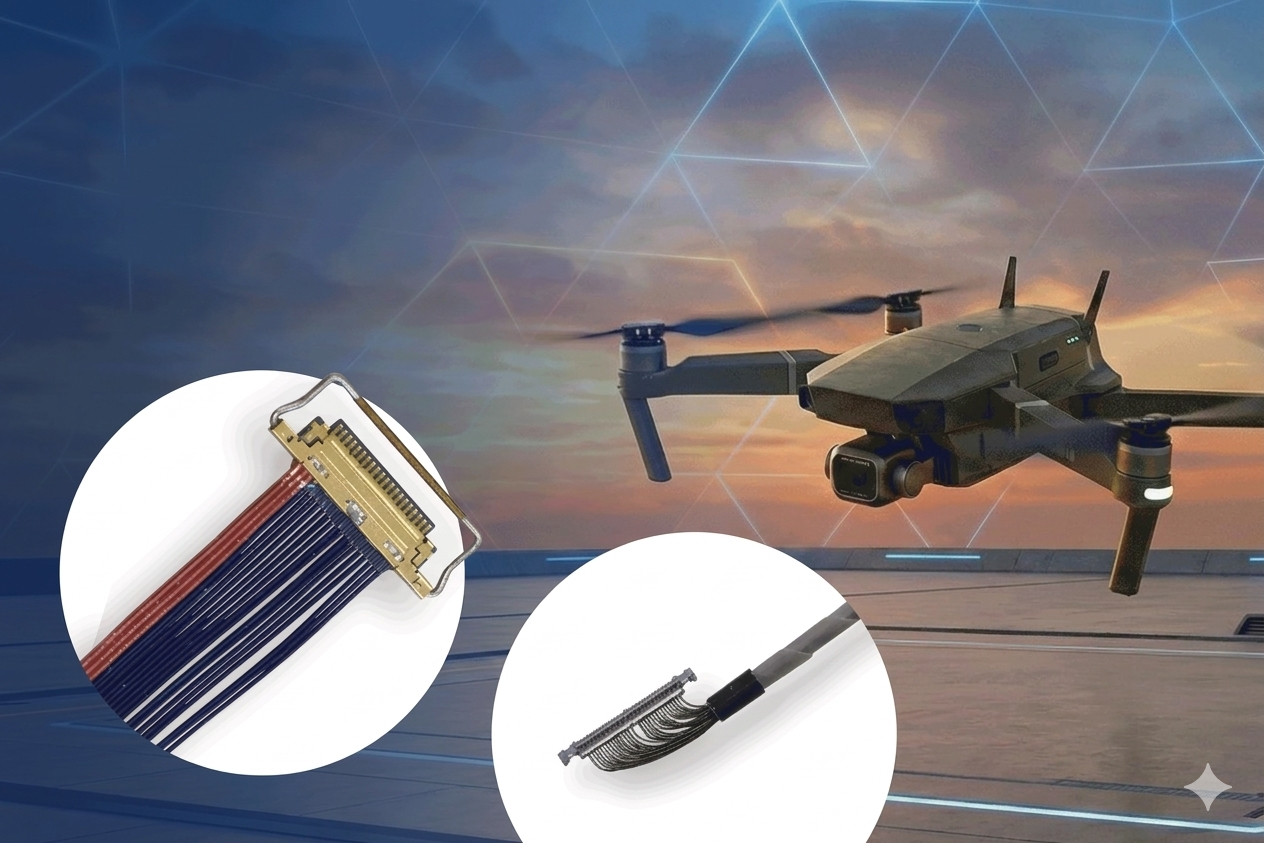
As Edge AI scales into autonomous flight and miniaturized radar systems, the physical layer must withstand extreme EMI and environmental stress while maintaining a minimal footprint.
The latest insights highlight: Extreme Miniaturization: How AWG 46 micro-coaxial processing and 0.25mm pitch connectors are enabling high-frequency transmission in confined UAV spaces. System Resilience: Meeting rigorous IP67 and air leakage standards for mission-critical surveillance and industrial defense environments. Neural Network Hardware: Why high-precision cabling is no longer an assembly task but a critical architectural variable in aerospace design. Wanshih Electronic will be showcasing these technical advancements—including micro-medical welding and AWG 46 processing—at Embedded World 2026 in Nuremberg, Germany.
These advancements will be of high interest to companies focusing on aerospace engineering and resilient embedded systems.
As Edge AI and Physical AI evolve, the embedded industry is witnessing a significant paradigm shift. In 2026, the technological focus has moved away from the “powerful centralized cloud brain” toward an octopus-like distributed intelligence. In this architecture, every peripheral sensor possesses independent perception and decision-making capabilities. However, as intelligence is pushed to the extreme edge, the integrity of physical layer connectivity and miniaturization constraints are becoming the decisive factors for system resilience.
Miniaturization Pressure Amidst the Edge AI Explosion According to data from Grand View Research, the global Edge AI market is projected to reach $29.98 billion in 2026, with manufacturing applications leading at a CAGR of 23%. As miniaturized sensors—such as industrial robotic tactile sensors and drone radars—become ubiquitous, the hardware layer must overcome the challenge of high-frequency transmission within extremely confined spaces.
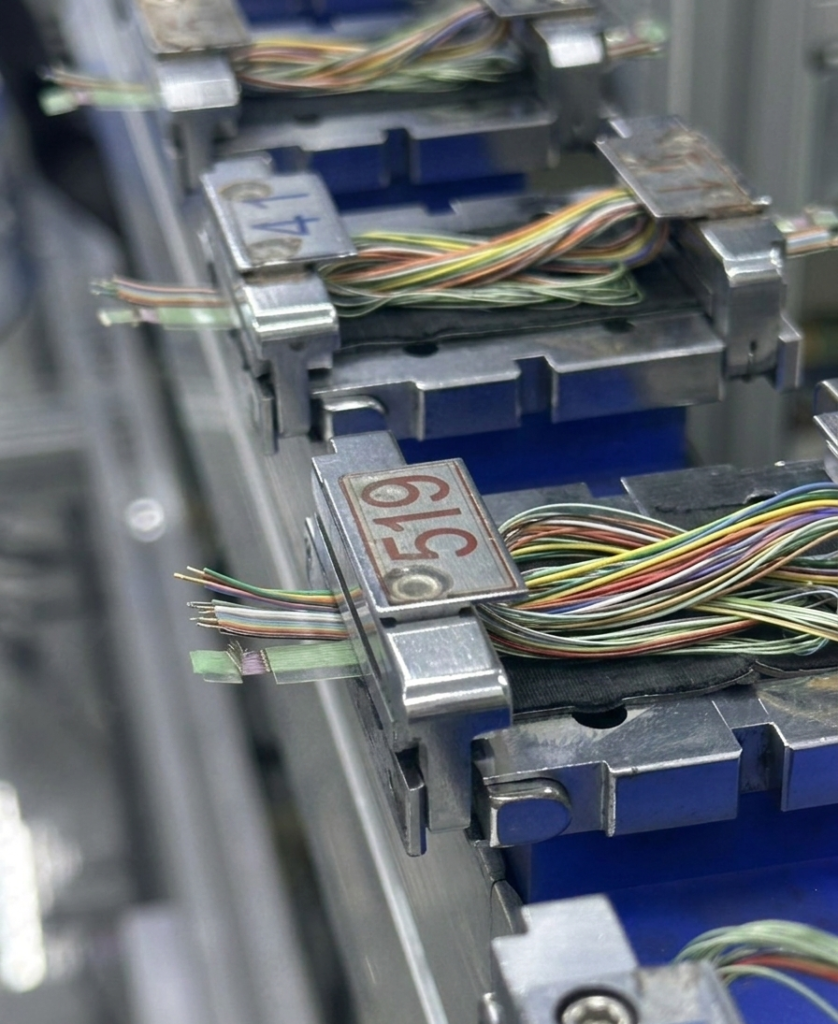
Current industrial capabilities have advanced to AWG 44 to AWG 46 micro-coaxial cable processing, supporting ultra-precision connectors with a 0.25mm pitch. This evolution is not merely about reducing footprint; it is about ensuring signal integrity without loss in high electromagnetic interference (EMI) environments, such as autonomous driving or UAV operations.
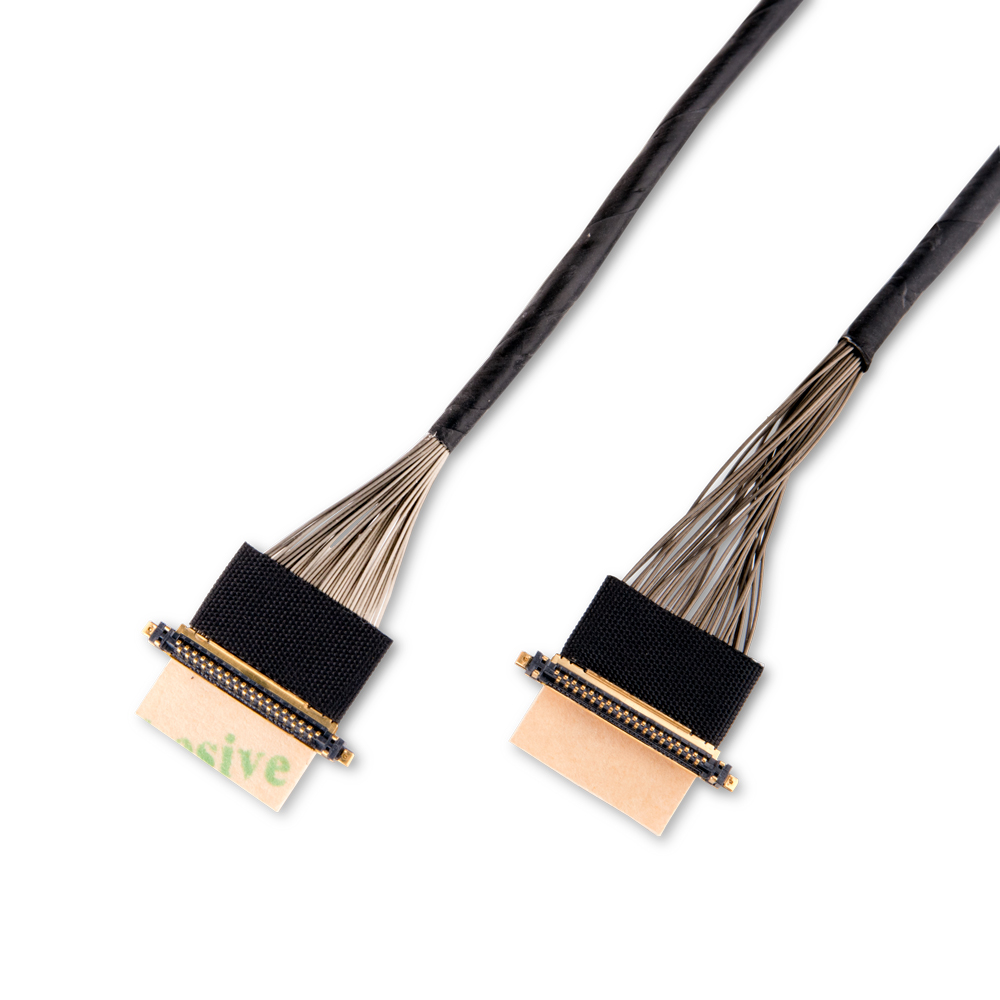
“System Resilience” in Industrial and Defense Environments Gartner identifies “pre-emptive cybersecurity and system resilience” as a top strategic technology trend for 2026. In a distributed architecture, physical damage to a single node can compromise the entire network. Consequently, standards for connectivity components have escalated to include IP67 waterproofing and rigorous Air Leakage Testing to meet the demands of harsh factory floors or outdoor surveillance.
Particularly in high-frequency radar systems, strain relief and material durability are directly linked to the survival of edge intelligence under extreme temperature fluctuations or high-vibration conditions.
Precision Medicine: The Technical Barrier for Micro-Invasive Imaging The smart healthcare sector faces similar hurdles. Research Nester predicts the endoscopy equipment market will reach $66.33 billion by 2026, with AI applications in endoscopic image analysis growing at a rate of 26.8%.
To support 4K/8K-level transmission for micro-invasive surgery, cable processing must achieve micron-level precision—such as micro-endoscope welding modules measuring only 1.4mm x 1.9mm. This level of processing capability is the essential hardware foundation for integrating distributed intelligence into the operating room and enabling real-time Computer-Aided Diagnosis (CADx).
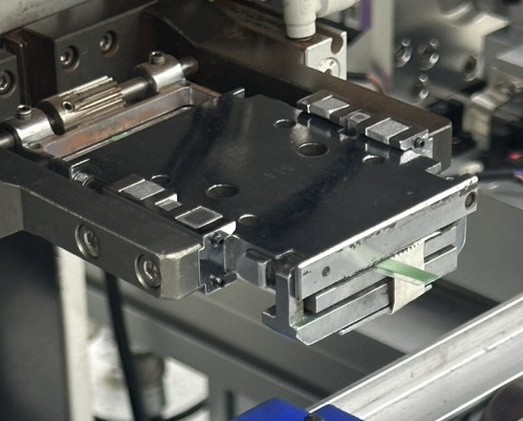
Orchestrating from Component to Ecosystem The success of embedded developers in 2026 no longer hinges solely on the choice of processing chips, but on the ability to construct a “neural network” as coordinated as a biological system. High-precision cable processing is no longer just a back-end assembly task; it is an indispensable technical variable in front-end architectural design.
Wanshih Electronic, a long-term leader in high-precision connectivity solutions, will showcase the aforementioned AWG 46 micro-coaxial processing and micro-medical welding technologies at Embedded World 2026 in Nuremberg, Germany.