eVTOLs and the Future of MRO: Why Interoperability Will Define Success
By Sam Jacob, EVP & Head- Aviation, Aerospace & Defense, Ramco Systems
A New Dawn for Aviation
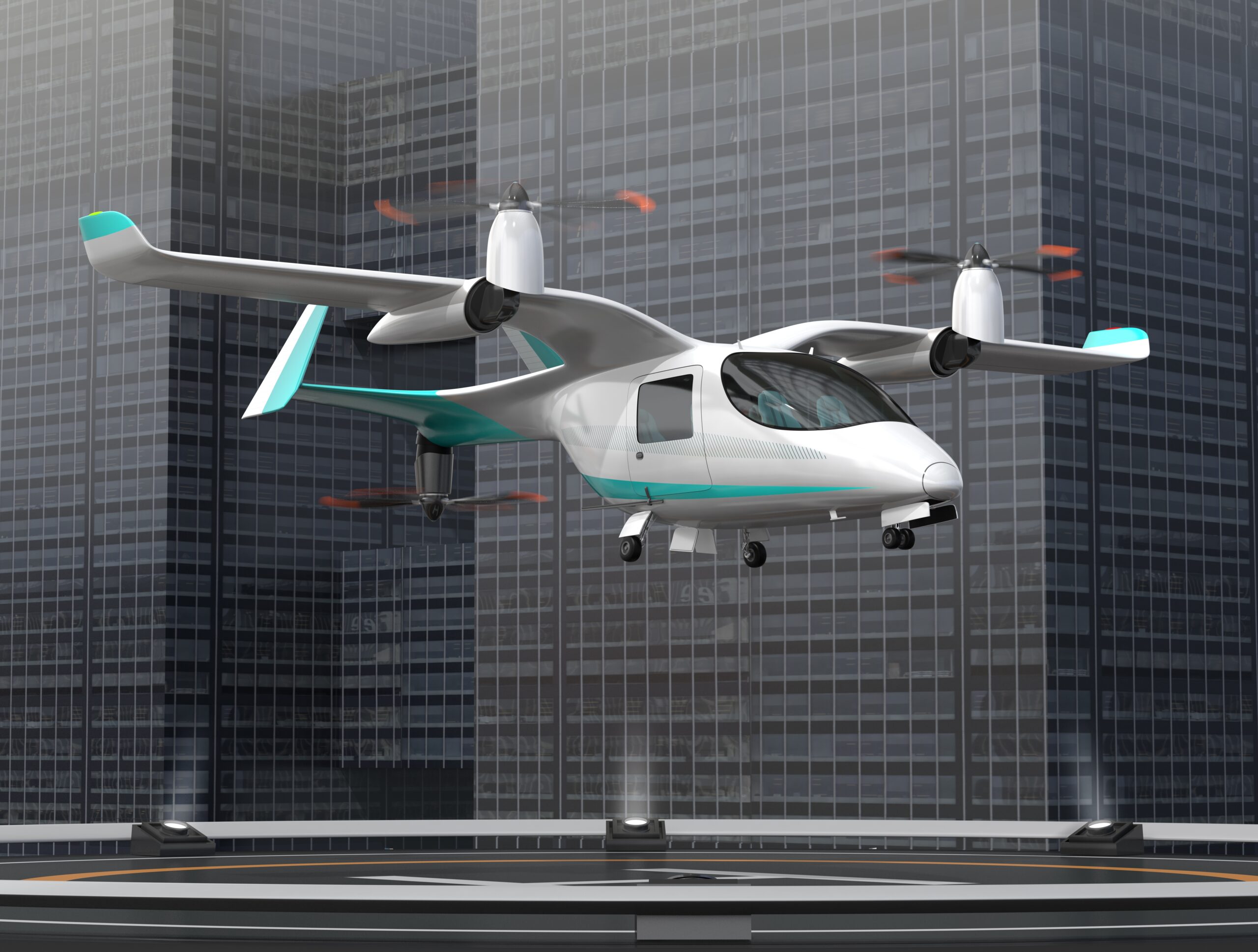
The aviation industry has always thrived on innovation, but today we stand at the threshold of one of the most profound transformations in its history: the arrival of electric Vertical Takeoff and Landing (eVTOL) aircraft. These aircraft are not just reshaping how we think about urban mobility; they are fundamentally redefining the way we design, operate, and sustain fleets.
Unlike traditional aircraft, which were built for long cycles of utilization and heavy maintenance, eVTOLs are leaner, digitally driven, and optimized for frequent, short-haul operations. With multiple sorties each day, modular batteries, and advanced avionics software, they represent a paradigm shift. Their demands on maintenance, repair, and overhaul (MRO) systems are unlike anything we have seen before.
The Imperative of Interoperability
In my decades of experience, one persistent challenge in aviation has been the fragmentation of IT systems across the lifecycle. OEMs, Operators, MROs, and regulators have often relied on their own technology stacks, creating silos that hinder data sharing and leading to inherent inefficiencies. Manual processes at organizational boundaries, duplicate record keeping, and delayed compliance reporting have cost the industry billions and eroded trust, driving multiple check-points and counter checks.
eVTOLs give us a once-in-a-generation opportunity to break free from this pattern. Because OEMs are increasingly stepping into the role of operators and sustainment providers, the eVTOL industry is uniquely positioned to build a clean-slate digital ecosystem. Here, interoperability is not optional; it is foundational.
Imagine a world where every design modification in manufacturing is instantly visible in maintenance records; where flight usage logs and battery charge cycles flow seamlessly into predictive maintenance programs; and where regulators receive real-time compliance data instead of retrospective reports. This vision is not aspirational — it is essential for scaling urban air mobility safely, sustainably and efficiently.
Ramco’s Role in Shaping the Future
At Ramco, we have long believed that the future of aviation lies in how efficiently we can manage the end-to-end asset lifecycle value chain. The Aviation Software Suite of tomorrow should not just be a tool for managing maintenance and compliance records — it should be a unified enterprise system that spans manufacturing, maintenance, operations, supply chain, and finance.
This holistic approach is uniquely relevant for the eVTOL era. The goal is for the software platform to realise an ecosystem where every stakeholder in the value chain participates in a single digital backbone, enabling a state where data flows without friction, collaboration is seamless, and compliance is built into every process.
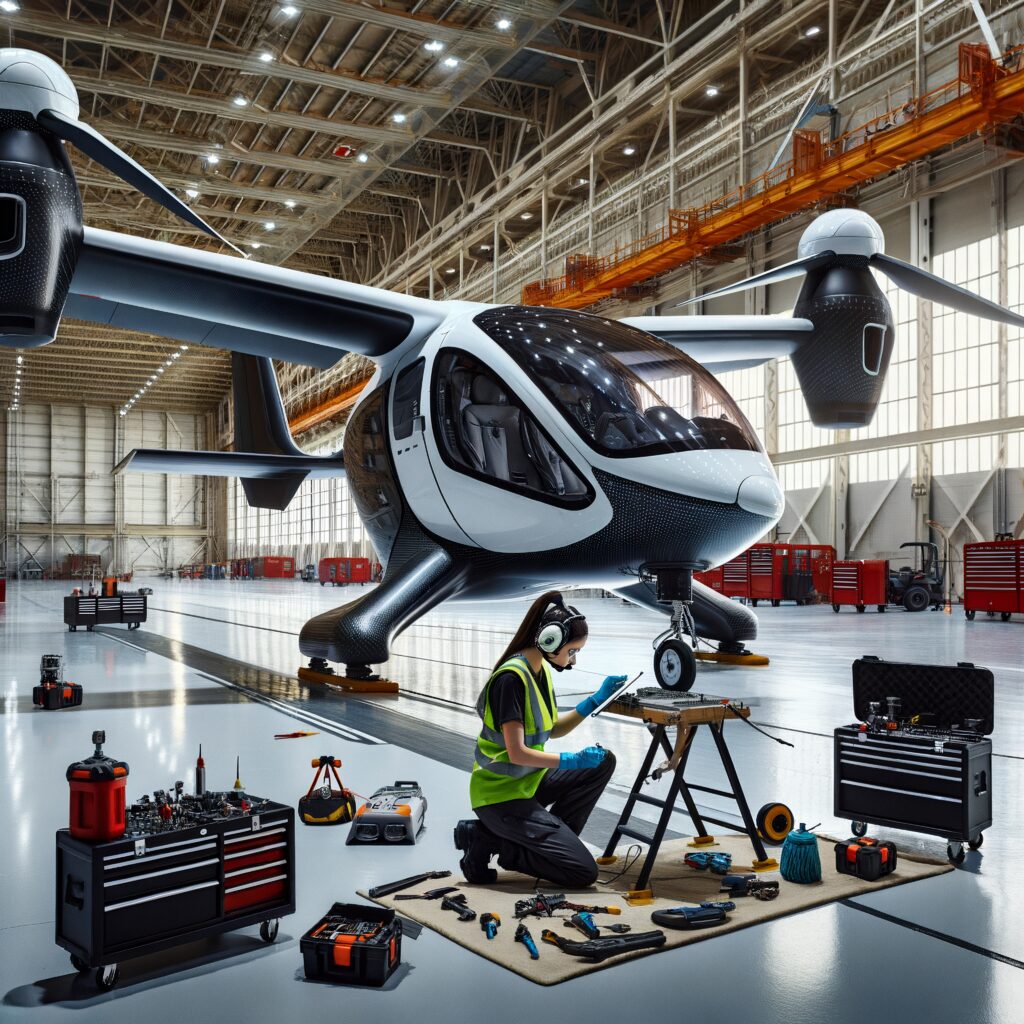
An integrated supply chain and maintenance planning ensures parts, software components, and consumables are available and tracked on a real-time basis. Manufacturing, operations and sustainment are tightly linked, such that engineering changes and product data updates flow directly into technical records. Mechanics at vertiports and hangars will be equipped with mobile-first digital task cards and e-publications that enable fast, in-process-complaint execution. Predictive intelligence powered by AI and ML turns usage logs and equipment reliability data into actionable forecasts. And for regulators, the system should provide audit-ready transparency, offering the assurance required for a new class of aircraft.
The eVTOL space is likely to see emerging complex business models – OEM-operated fleets, outcome-based contracts such as “availability-as-a-service,” multi-party collaboration hubs etc.
This is more than digitization. It is a redefinition of how aviation sustains itself; and for that we would need an enterprise backbone that is scalable, flexible and adaptable to evolving operating contexts.
Leading the Conversation, Not Following It
The conversation around eVTOLs often gravitates toward aircraft design, certification hurdles, or urban infrastructure. While these are vital, the question of how we maintain and sustain these fleets at scale is equally critical. Without robust, interoperable MRO systems, the promise of safe, reliable, and accessible urban air mobility cannot be realized. And by adopting the traditional processes and systems, we risk agility, true process efficiencies and self controlled & audited processes.
As a global leader serving aviation, aerospace, and defense organizations across the world, Ramco is proud to be at the forefront of this discussion. We are not just reacting to eVTOLs — we are shaping the frameworks, digital ecosystems, and business models that will support them.
A Call to the Industry
The rise of eVTOLs is not just about a new class of aircraft. It is about building a new aviation ecosystem – one that is connected, predictive, and collaborative. At Ramco, we believe that the opportunity lies in OEMs, operators, regulators, and ecosystem partners like us, joining hands, in co-creating this future.
Because in the end, the measure of success will not be how fast eVTOLs take off, but how sustainably and safely they are maintained and how the economics of flight can be radically transformed. And that requires more than innovation in the skies — it requires business process transformation and innovation in the systems that keep them flying.
About the Author
Sam Jacob is the Head of Global Aviation Solutions at Ramco Systems, where he leads product design, development, consulting, and customer success for Ramco’s Aviation business. With over 25 years at Ramco, Sam has been a pioneer in building its aviation software into a globally recognized product suite, driving large-scale transformation programs across M&E/MRO. His expertise spans process architecture, product design, and lifecycle management of enterprise applications, and he remains passionate about nurturing teams and innovating solutions that help aviation organizations reimagine their future.